
When should an organization establish a robust and resilient culture of privacy and cybersecurity?
In today's interconnected world, safeguarding sensitive information is paramount. The increasing frequency and sophistication of data breaches underscore the urgent need for organizations to adopt a proactive, rather than reactive, approach to privacy and cybersecurity. This means cultivating a strong culture of awareness and responsibility across the entire organization. We believe, the question is not if we should prioritize these areas, but why, how and when we should prioritize these areas.
In this article we address the when and spoiler alert, the answer is always and intentionally.
We all face the same challenge: mitigating the risks associated with data breaches and cyber threats. A reactive approach is costly, inefficient, and erodes trust. We must shift our mindset to prevention and continuous improvement. So how do we shift our mindset if we are to be intentional about always establishing a robust and resilient culture of privacy and cybersecurity?
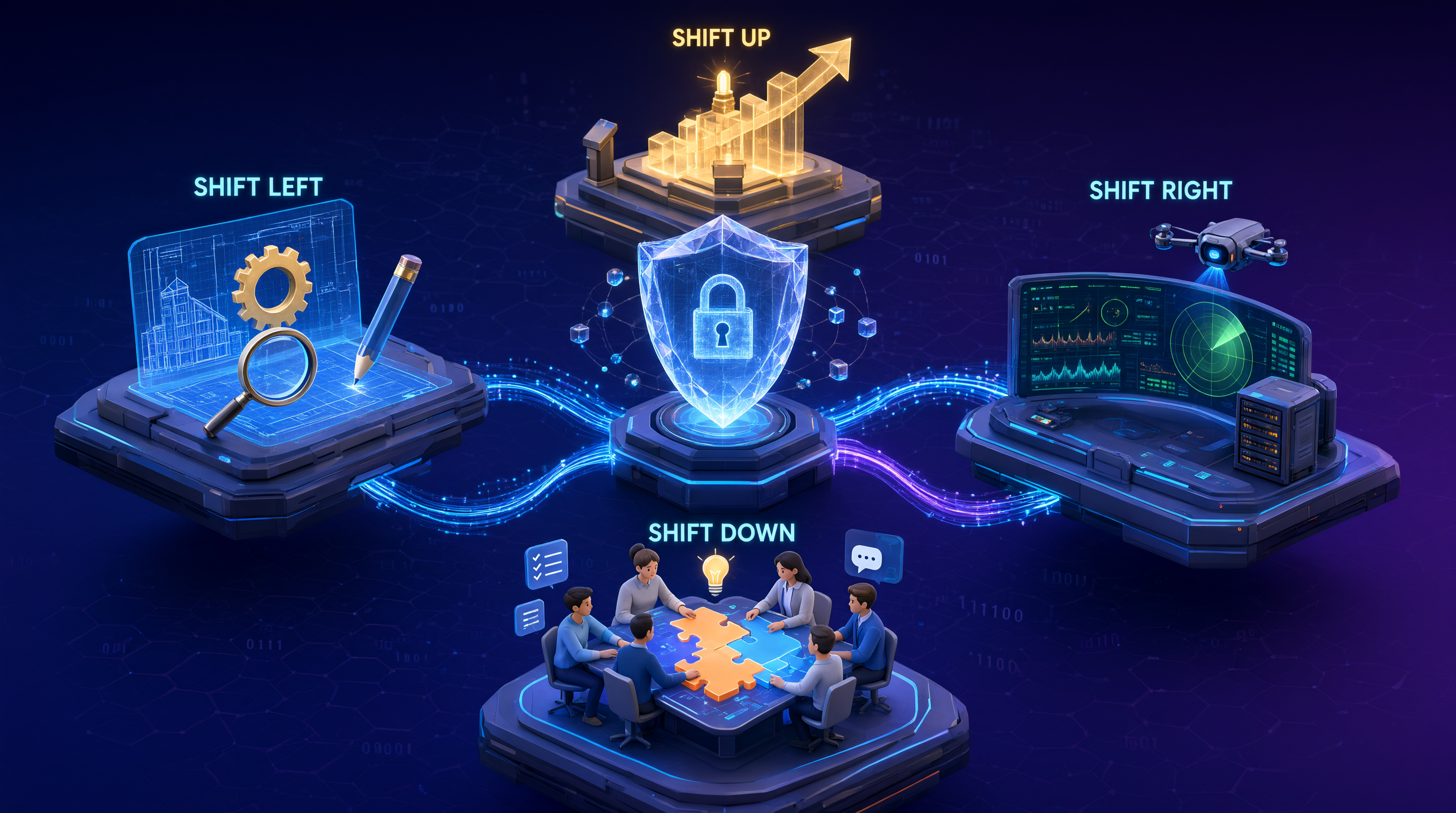
Shift-Left (Proactive Prevention): Privacy and security must be embedded from the very beginning. This means integrating Privacy by Design (PbD) and Security by Design (SbD) principles into all business processes including software development lifecycles. Business functions should be trained to identify and mitigate risks early on in the planning stage of any strategy, tactic or initiative. How: Implement business function-focused training programs and leverage automated risk detection tools.
Shift-Right (Continuous Vigilance): Building a strong culture is an ongoing process. We must integrate robust incident response management into daily operations. Post-incident reviews are crucial for learning and refining cybersecurity and privacy processes. Staying informed about emerging threats and trends is also essential. How: Conduct regular tabletop exercises to test incident response readiness.
Shift-Up (Leadership Accountability): A true culture of privacy and cybersecurity starts at the top. Executive leadership must champion these values, providing the necessary resources and setting the tone for the entire organization. Designating key roles like a Chief Privacy Officer (CPO) or Chief Information Security Officer (CISO) is vital to achieving this shift. Privacy and security should be integral to an organization's governance structure. How: Encourage leadership to actively promote cybersecurity and privacy in all internal communications.
Shift-Down (Empowered Employees): Culture is not solely a leadership responsibility. Every employee must be empowered to take ownership. This means creating clear channels for reporting potential risks (anonymously, if necessary) and providing accessible training and clear policies that explain cybersecurity and privacy compliance requirements. How: Explore gamified training and reward programs to consistently incentivize appropriate behaviors.